
Climate change
Building the path toward a zero-emissions future
At the Iberdrola Group, we are committed to a sustainable energy model and are aiming to accelerate electrification and the reduction of emissions across the economy.
The electricity sector plays a key role in achieving the goal set by the historic Paris Agreement to limit the increase in global temperature to 1.5 ºC and to tackle the climate emergency. The Iberdrola group, a global leader in the fight against climate change -goal 13 of the Sustainable Development Goals (SDGs)- and an active participant in the various Climate Summits, is fully aligned with this international pact and the energy transition.
At Iberdrola, we are highly committed to continuing to lead the way towards a zero-emission future, having set ourselves the goal of achieving emissions neutrality in our generation, electricity distribution and own consumption plants by 2030 (scopes 1 and 2) and reaching zero net emissions in all our activities by 2040. A convinced commitment to act today to protect the planet of tomorrow.
What is climate change?
Climate change is defined as a change in climate patterns attributable, directly or indirectly, to human activity. Greenhouse gases build up in the atmosphere and trap heat, increasing the greenhouse effect and raising the overall temperature of the planet.
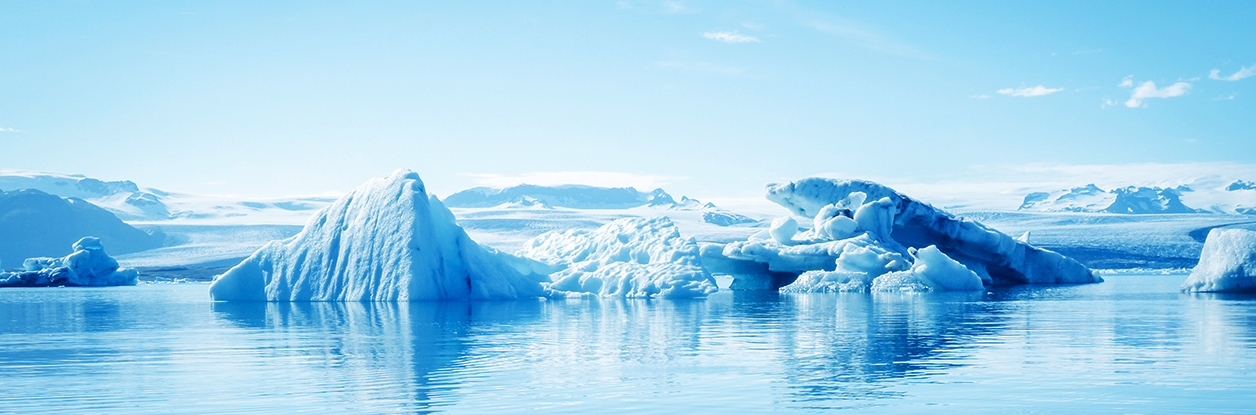
Climate change is superimposed on the natural variability observable over equivalent periods of time, and also affects other changes in earth systems (melting ice, rising sea levels, etc.).

More ambitious targets to accelerate electrification
Iberdrola began a profound transformation of its business model more than 20 years ago, committing to a sustainable, safe and competitive energy model that would address the global fight against climate change. In line with measures adopted under the Paris Agreement, the Group is aiming to actively and decisively contribute to a low-carbon future. This effort will also drive the creation of sustainable value and is grounded in a commitment to ensure a positive contribution to nature and society, supporting social and economic development through job creation and wealth generation.
In line with its commitment to the Paris Agreement and the electrification of the economy, Iberdrola’s Climate Action Plan sets out an ambitious roadmap with the goal of achieving carbon neutrality for Scope 1 and 2 emissions by 2030 and net-zero CO2 equivalent emissions across all scopes, including Scope 3, before 2040.
To meet its emissions-reduction commitment, Iberdrola will continue to drive and lead a business model and investment plan fully aligned with a decarbonised future. The company is advancing its investment plan and consolidating its business model, based on growth and the modernisation of transmission and distribution networks, more renewable energy, more storage and more intelligent solutions for customers.
Key elements of the Climate Action Plan
-
2030
Neutrality in emissions for scopes 1 and 2
Direct emissions (generation and other) and indirect emissions from electricity T&D losses and own consumption.
-
<2040
Net-zero emissions for all scopes, including 3
Direct and indirect emissions across the entire value chain (gas sales, supply chain, third-party generation).
-
100% Renewables
All energy 100% zero-emission.
-
Intelligent networks
Networks more robust and 100% digitalised.
-
Green procurement
Joint reduction projects with 100% green suppliers.
-
Green solutions
Electrification and green hydrogen solutions for customers.
-
Positive for society
Inclusive transition and universal access to competitive energy.
-
Positive for nature
Net positive impact on biodiversity in 2030 and circular economy.
-
Climate governance
-
Technological innovation
-
Green finance

Iberdrola has approved near and long-term science-based emissions reduction targets with the SBTi.
The SBTi has verified Iberdrola’s net-zero science-based target by 2039.
Note: Targets are expressed in CO2eq (carbon dioxide equivalent).


"The current crisis has further reaffirmed the need to accelerate electrification with renewables and electricity grids to achieve full decarbonisation and energy self-sufficiency. After 20 years of experience, the Climate Action Plan is a new boost to Iberdrola's commitment to zero net emissions as a means of preserving the environment and generating employment and industrial development. The next decade will be crucial if we are to meet climate targets and protect biodiversity, and we must all work together today to achieve them."
Ignacio S. Galán
Iberdrola's Executive Chairman
At Iberdrola, we are committed to a sustainable future for all.
Climate policies and partnerships
We work intensively within the framework of the global and regional debate on climate policies, participating actively in the main milestones of the global climate agenda.
What you need to know about climate change
Essential information about global warming
Global warming is the greatest environmental threat we face. Scientific data confirms its effects are occurring at an unprecedented speed: 2024 was the warmest year on record. Average global temperatures are currently between 1.34°C and 1.41°C above pre-industrial levels.
Solutions require a coordinated response to reverse main impacts like rising sea levels and melting ice caps. Under the Paris Agreement, nearly 200 countries aim to limit warming to 1.5°C, requiring net-zero emissions by 2050.
What is the origin of climate change?
Industrialisation has caused greenhouse gases (like CO2 and methane) to increase exponentially. Human activity, mainly burning fossil fuels, traps more heat in the earth system. This anthropogenic alteration is what we call "climate change."
What role do greenhouse gases play?
Human action generates GHGs that retain heat for millennia. Carbon dioxide (CO2) is responsible for 63% of man-made warming. CO2 levels exceeded 418 parts per million in 2022—the highest in at least 800,000 years.
Two-thirds of global emissions come from energy production for electricity, transport, and heating.
What are the consequences of climate change?
Warming leads to melting ice, rising sea levels, and extreme events like hurricanes and torrential rains. It also causes the extinction of species unable to adapt to rapid habitat changes.
The WHO warns that millions of people's health is threatened by infectious diseases like malaria and malnutrition, exacerbating issues like climate migration.
What role does the energy sector play in the fight?
The current model relies on fossil fuels (coal, gas, oil). Decarbonisation requires renewable energy, energy efficiency, and the electrification of the economy. Electricity networks are key to facilitating this transition.
How can we combat climate change in our daily lives?
Walking, cycling, or using public transport reduces CO2 emissions. At home, switch to renewable energy (like aerothermal or solar) and improve energy efficiency with LED lighting and proper insulation. Recycling and responsible consumption are also essential.